Influencer Marketing in 2024: Strategies, Tactics, and Trends for Success
Discover effective influencer marketing strategies for 2024. Learn how to leverage trends and tools to connect with your audience authentically.
Picture this: You're scrolling through your competitors' social media accounts, noticing their engagement soaring through the roof. Comments are flooding in, sales are increasing, and their brand seems to be everywhere. The secret? They've mastered influencer marketing – something you've been trying to wrap your head around for months.
You've watched countless YouTube tutorials, read dozens of blog posts, and perhaps even attended a webinar or two. But you're still stuck at square one, paralyzed by the overwhelming amount of information and contradicting advice. Where do you even begin? Which influencers should you approach? How much should you budget?
And beneath all these questions lurks an even bigger concern: Is influencer marketing even right for your business?
That's exactly why we've created this comprehensive guide to influencer marketing in 2024. Whether you're completely new to the game or looking to refine your existing strategy, you'll find everything you need to know about building, executing, and measuring successful influencer campaigns.
What Is Influencer Marketing?
Influencer marketing is a form of social media marketing that leverages the popularity and trust of individuals who have a dedicated following in specific niches. Unlike traditional celebrity endorsements, influencer marketing taps into the authentic relationships these content creators have built with their audiences.
The concept has evolved significantly over the years. What started as big-name celebrities promoting products has transformed into a diverse ecosystem of content creators across various platforms. Today, influencers range from micro-influencers with niche followings to macro-influencers with millions of followers.
Why is influencer marketing so crucial in 2024? Simply put, it offers a level of authenticity and trust that traditional advertising struggles to achieve. In an era where consumers are increasingly skeptical of branded content, influencers provide a bridge of credibility between brands and their target audience.
The Evolution of Influencer Marketing
The concept of influencer marketing isn’t new, it dates back to centuries. We can divide the origin of influencer marketing in seven distinct phases.
Phase 1: The Pioneers (18th Century onwards)
The earliest form of influencer marketing can be traced back to the 18th century, with one notable example being Josiah Wedgwood's strategic use of royal endorsement:
- In 1765, British potter Josiah Wedgwood received approval from Queen Charlotte for his cream-colored pottery.
- Wedgwood capitalized on this royal connection, promoting his products as "Queensware."
- This royal endorsement effectively created the world's first luxury brand, demonstrating the power of influential figures in marketing.
Key Takeaway: Even in the 18th century, marketers recognized the value of associating their products with influential figures to boost credibility and desirability.
Phase 2: Fictional Characters (Early to Mid-20th Century)
As mass media grew, brands began creating fictional characters to influence consumers:
- In 1932, Coca-Cola popularized the modern image of Santa Claus to boost sales during the Great Depression.
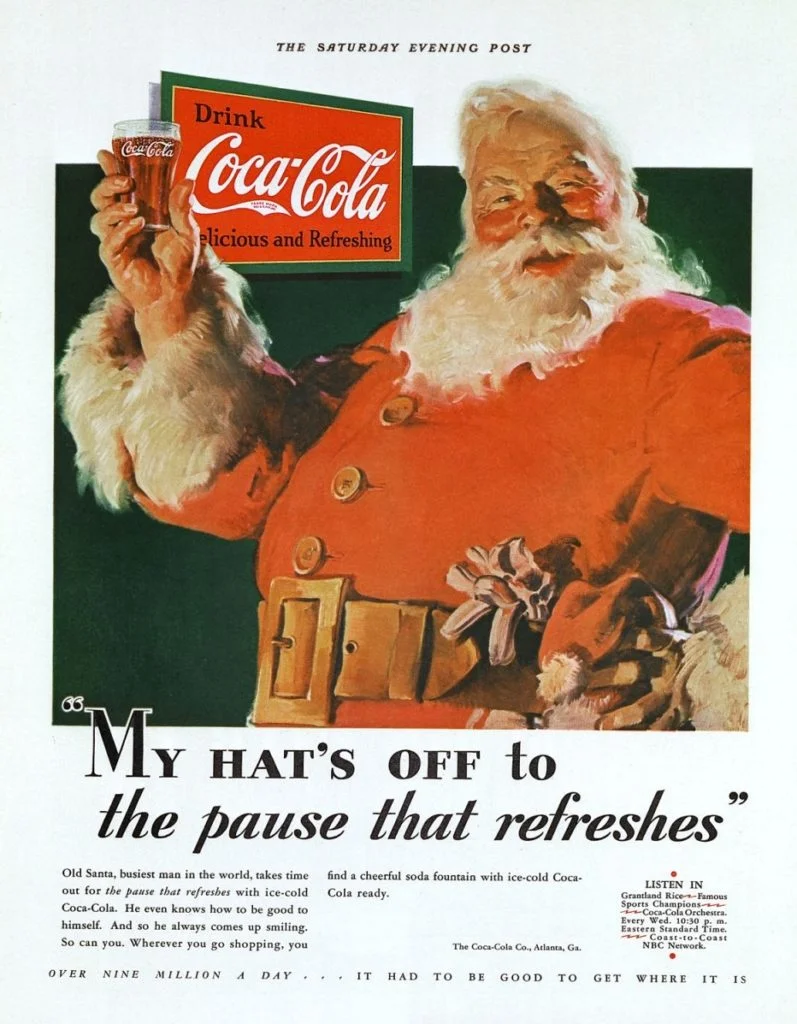
- The jolly Santa Claus figure helped convey cheer during difficult times, associating the brand with positive emotions.
- In the 1970s, Quaker Oats created "Little Mikey" for their Life cereal commercials.
- The "Mikey Likes It" campaign, featuring a hard-to-please boy enjoying the cereal, ran for 13 years and won a Clio Award in 1974.
Key Takeaway: Fictional characters allowed brands to create relatable, consistent "influencers" that resonated with their target audiences.
Phase 3: Celebrity Endorsements (Late 20th Century)
The rise of mass media brought celebrity endorsements to the forefront:
- Brands like Nike and Pepsi formed partnerships with celebrities to advocate for their products.
- Celebrities offered real-life personality and preferences, coupled with massive followings due to their fame.
- However, the effectiveness of celebrity endorsements began to wane as consumers found it difficult to relate to celebrities' lavish lifestyles.
Key Takeaway: Celebrity endorsements leveraged fame and admiration but struggled with authenticity and relatability.
Phase 4: Reality TV (Late 1990s to Early 2000s)
Reality TV bridged the gap between celebrity culture and everyday life:
- Shows like "The Bachelor" and "Keeping Up With The Kardashians" created a new breed of influencers.
- Reality TV stars were perceived as more relatable and authentic than traditional celebrities.
- This phase set the stage for the more personal, behind-the-scenes content that would characterize social media influencers.
Key Takeaway: Reality TV personalities demonstrated the appeal of more "authentic" and relatable influential figures.
Phase 5: Social Media Influencers (Mid-2000s onwards)
The rise of social media platforms revolutionized influencer marketing:
- Platforms like Facebook, Instagram, Twitter, and YouTube allowed anyone to share their life online.
- Some "regular" people accumulated large followings due to engaging content and close interactions with their audience.
- These individuals became known as "influencers" due to their ability to sway their followers' decisions.
- Influencers are perceived as more relatable than celebrities, sharing both positive and negative aspects of their lives.
- Brands began leveraging influencers by sending free products or offering payment in exchange for posts about their products.
Key Takeaway: Social media democratized influence, allowing relatable individuals to build engaged followings and partner with brands.
The Current State: Peak Influencer Marketing (2024)
Today, influencer marketing has become a cornerstone of digital marketing strategies:
- 92% of consumers trust recommendations from friends, family, and influencers.
- 70% of teens trust influencers more than traditional celebrities.
- Influencer marketing earns 11x the ROI of standard digital campaigns.
- 74% of people use social media to discover products and make purchasing decisions.
- 61.9% of marketers work with influencers to generate content.
Key Takeaway: Influencer marketing has proven highly effective in building trust, generating content, and driving purchasing decisions.
The Future: Community-Centric Approach
As the influencer marketing landscape evolves, brands are shifting towards a more community-centric approach:
- Brands are expanding their partnerships beyond traditional influencers to engage with their wider community.
- A brand community typically includes seven types of members: Influencers, Customers, Creatives, Ambassadors, Experts, Affiliates, and Employees.
- This approach leverages authenticity and relatability, going back to the roots of influencer marketing.
- Community members provide valuable feedback, reviews, word-of-mouth marketing, and co-created content.
Key Takeaway: The future of influencer marketing lies in harnessing the power of diverse community voices to create authentic, relatable, and impactful marketing strategies.
Creating an Influencer Marketing Strategy for 2024
Creating a successful influencer marketing strategy requires careful planning and execution. Here's how you can develop a strategy that resonates with your audience and achieves your business goals:
1. Set Clear Objectives
Before talking about influencer marketing, you need to define what success looks like for your brand. Do you want to:
- Increase brand awareness?
- Drive sales for a specific product?
- Increase engagement on your social media channels?
- Improve your brand's reputation?
- Generate leads for your business?
- Launch a new product or service?
Your objectives will guide every aspect of your strategy, from the influencers you choose to the content you create together. It's important to make these objectives SMART: Specific, Measurable, Achievable, Relevant, and Time-bound.
For example, instead of a vague goal like "increase brand awareness," you might aim to "increase Instagram followers by 20% within three months through influencer collaborations."
2. Identify Your Target Audience
Understanding your audience is important for any marketing effort, but it's particularly important in influencer marketing. You need to know:
- Which social media platforms does your audience prefer?
- What type of content do they engage with most?
- Who are the influencers they trust and follow?
- What are their pain points and interests?
- What motivates their purchasing decisions?
Use tools like social media analytics, customer surveys, and market research to gather this information.
The more you know about your audience, the better you can tailor your influencer marketing efforts to their preferences.
Consider creating detailed buyer personas to guide your strategy. These fictional representations of your ideal customers can help you and your chosen influencers create more targeted, relevant content.
3. Choose the Right Influencers
Selecting the right influencers is perhaps the most critical step in your strategy. Here's what to consider:
- Relevance: Does the influencer's niche align with your brand and product? An influencer in the fitness industry might not be the best fit for promoting luxury watches, for instance.
- Engagement: Look beyond follower count. How much does their audience interact with their content? High engagement rates often indicate a more loyal and active following.
- Authenticity: Does the influencer's persona and values match your brand's? Authentic partnerships resonate more with audiences.
- Reach: Consider the size of their following, but remember that micro-influencers often have higher engagement rates.
- Platform: Ensure the influencer is active on the platforms most relevant to your target audience. Different platforms cater to different demographics and content types.
- Content Quality: Assess the quality of the influencer's content. Does it align with your brand's standards?
- Past Partnerships: Look at the influencer's previous brand collaborations. Have they worked with your competitors? How successful were these partnerships?
- Audience Demographics: Ensure the influencer's audience aligns with your target market in terms of age, location, interests, etc.
Don't be afraid to work with micro-influencers. While they may have smaller followings, their audiences are often more engaged and trusting of their recommendations. In fact, a mix of micro and macro-influencers can provide a balanced approach, offering both targeted reach and broader brand exposure.
4. Plan Your Content Strategy
Once you've selected your influencers, it's time to plan your content. The key here is to strike a balance between your brand message and the influencer's authentic voice. Here are some tips:
- Collaborate closely with influencers to develop content ideas
- Provide clear guidelines but allow for creative freedom
- Ensure the content aligns with your brand values and aesthetic
- Plan for a mix of content types (e.g., posts, stories, reels, live streams)
- Consider creating long-term partnerships for more authentic, sustained engagement
Remember, the most effective influencer content doesn't feel like an ad. It should seamlessly integrate your brand or product into the influencer's usual content style.
5. Set a Realistic Budget
Influencer marketing costs can vary widely based on factors like the influencer's reach, the complexity of the campaign, and the platforms used. When budgeting, consider:
- Influencer Fees: These can range from product exchanges for micro-influencers to significant sums for celebrity influencers.
- Content Production Costs: Some influencers may charge extra for high-quality photo or video production.
- Advertising Spend: You might want to boost influencer posts for wider reach.
- Management Tools: Investing in influencer relationship management software can streamline your efforts.
- Agency Fees: If you're working with an agency to manage your influencer campaigns.
Remember to factor in the potential ROI when setting your budget. While influencer marketing can be costly, it often delivers strong returns when executed properly.
5 Tips for Your Next Influencer Marketing Campaign
Now that you've laid the groundwork for your strategy, let's explore some tactics that can take your influencer marketing to the next level:
1. Leverage Micro-Influencers
While macro-influencers can offer broad reach, micro-influencers often provide better engagement and more targeted audience access.
These influencers typically have between 1,000 and 100,000 followers and are seen as experts or trusted voices in their niche.
Benefits of working with micro-influencers include:
- Higher engagement rates
- More affordable partnerships
- Niche audience targeting
- Perceived authenticity
Consider partnering with multiple micro-influencers to reach different segments of your target audience.
This approach can often yield better results than putting all your resources into one high-profile influencer.
2. Focus on Authentic Collaborations
Authenticity is the cornerstone of successful influencer marketing. Your partnerships should feel genuine and align with both your brand values and the influencer's personal brand.
Here's how to ensure authenticity:
- Choose influencers who are a natural fit for your brand
- Allow influencers to speak in their own voice
- Encourage honest reviews and feedback
- Create long-term partnerships rather than one-off promotions
- Involve influencers in product development or testing
Remember, audiences can spot inauthentic promotions from a mile away. The more genuine your collaborations, the more effective they'll be.
3. Tailor Your Approach to Each Platform
Each social media platform has its own culture and content style. What works on Instagram might not translate well to TikTok or YouTube. Here are some platform-specific tactics:
Instagram:
- Use a mix of feed posts, stories, and reels
- Leverage Instagram's shopping features for product promotions
- Encourage influencers to use branded hashtags
- Utilize Instagram's collaboration feature for co-created posts
TikTok:
- Focus on short, entertaining videos
- Participate in or create trending challenges
- Use popular sounds and effects
- Leverage TikTok's duet and stitch features for increased engagement
YouTube:
- Collaborate on in-depth product reviews or tutorials
- Consider sponsoring entire videos rather than just mentions
- Use YouTube's new shopping features for direct product links
- Leverage YouTube Shorts for quick, attention-grabbing content
LinkedIn:
- Focus on thought leadership content
- Collaborate with industry experts and business influencers
- Use LinkedIn's article feature for long-form content
- Leverage LinkedIn Live for real-time engagement
Twitter:
- Engage in real-time conversations and trending topics
- Use Twitter Spaces for audio discussions
- Leverage Twitter's thread feature for storytelling
By tailoring your content to each platform, you'll maximize engagement and reach. Remember to stay updated on new features and trends on each platform to keep your strategy fresh and effective.
4. Implement Influencer Whitelisting
Influencer whitelisting is a tactic where brands gain permission to use an influencer's social media account to run paid ads. This approach offers several benefits:
- Extended Reach: You can reach audiences beyond the influencer's organic followers.
- Better Targeting: Use Facebook's advanced targeting options while leveraging the influencer's credibility.
- Performance Tracking: Gain more accurate data on the performance of influencer content.
- Content Amplification: Give top-performing organic posts an extra boost.
When implementing whitelisting, ensure you have a clear agreement with the influencer about usage rights, duration, and compensation.
5. Use User-Generated Content (UGC)
User-generated content can be a powerful complement to your influencer marketing efforts. Encourage influencers to inspire their followers to create content featuring your products. This can include:
- Photo contests
- Hashtag challenges
- Customer testimonial campaigns
- Product usage videos
UGC not only provides you with a wealth of authentic content but also increases engagement and builds a sense of community around your brand.
Trends in Influencer Marketing for 2024
1. AI Influencers and Virtual Personalities
As artificial intelligence continues to advance, we're seeing the rise of AI-generated influencers. These virtual personalities offer brands unique opportunities for creativity and control. While they can't replace human influencers entirely, they're becoming an interesting addition to the influencer marketing landscape.
Benefits of AI influencers include:
- Complete control over the influencer's image and messaging
- 24/7 availability for content creation and engagement
- No risk of personal scandals or controversies
- Potential for lower long-term costs
However, it's important to consider the ethical implications and potential audience skepticism when using AI influencers.
Take a look at how lilmiquela has collaborated with cleanitupai to make a positive impact with technology.
2. Cross-Channel Campaigns
Consumers are increasingly active across multiple platforms. Cross-channel campaigns that span various social media platforms can help you reach your audience wherever they are.
Consider creating consistent campaigns that tell a story across Instagram, TikTok, YouTube, and emerging platforms.
Tips for effective cross-channel campaigns:
- Maintain a consistent message across all platforms
- Adapt content to suit each platform's unique features
- Use platform-specific hashtags and challenges
- Encourage influencers to guide their audience between platforms
3. Values-Driven Partnerships
Today's consumers, especially younger generations, are looking for brands that align with their values. Partnering with influencers who advocate for social causes or sustainability can help you connect with these conscious consumers.
Consider:
- Collaborating on cause-related marketing campaigns
- Supporting influencers' personal charitable initiatives
- Highlighting your brand's corporate social responsibility efforts
- Creating limited-edition products with proceeds going to charitable causes
4. Long-Form Content and Storytelling
While short-form content like TikTok videos remains popular, there's a growing appetite for long-form, in-depth content. Consider collaborating with influencers on:
- Extended YouTube videos
- Podcast episodes or series
- In-depth blog posts or articles
- Webinars or online workshops
This type of content allows for more detailed product explanations, behind-the-scenes looks, and storytelling that can forge deeper connections with your audience.
5. Influencer-Led Product Development
More brands are involving influencers in the product development process. This can include:
- Creating limited-edition products in collaboration with influencers
- Seeking influencer input on new product features or designs
- Having influencers test products before launch and provide feedback
- Co-creating entire product lines with influential figures in your industry
This approach not only results in products that resonate with your target audience but also creates built-in promotional opportunities.
6. Performance-Based Partnerships
As influencer marketing matures, more brands are shifting towards performance-based partnerships. Instead of paying flat fees, compensation is tied to specific outcomes like:
- Sales generated (affiliate marketing model)
- New customer acquisitions
- Engagement rates
- Traffic driven to the brand's website
This model aligns influencer incentives more closely with brand goals and can lead to more effective campaigns.
Measuring Success and Avoiding Pitfalls
To ensure your influencer marketing efforts are paying off, you need to track the right metrics and avoid common mistakes.
Key Metrics to Track
- Engagement Rate: Look at likes, comments, shares, and saves to gauge how well the content resonates with the audience. Calculate this as (Total Engagements / Total Followers) x 100.
- Reach and Impressions: Measure how many people are seeing your influencer content. Reach refers to unique viewers, while impressions count total views, including repeat views.
- Conversions: Track sales, sign-ups, or other desired actions resulting from influencer partnerships. Use unique promo codes or UTM parameters to attribute conversions accurately.
- Brand Sentiment: Monitor comments and mentions to assess how influencer collaborations are affecting your brand's reputation. Tools like sentiment analysis can help quantify this.
- Return on Investment (ROI): Compare the cost of your influencer campaigns to the results they generate. Calculate this as (Value Generated - Campaign Cost) / Campaign Cost x 100.
- Audience Growth: Measure the increase in your brand's social media followers or email subscribers resulting from influencer collaborations.
- Content Performance: Analyze which types of influencer content perform best in terms of engagement and conversions to inform future campaigns.
Use tools like social media analytics platforms, Google Analytics, and influencer-specific tracking tools to accurately measure these metrics.
Common Pitfalls to Avoid
- Prioritizing Follower Count Over Engagement: A large following doesn't always translate to influence. Focus on engagement rates and audience quality.
- Ignoring FTC Guidelines: Ensure all sponsored content is clearly disclosed to avoid legal issues. Familiarize yourself with the latest guidelines in your region.
- Lack of Creative Freedom: Overly restrictive guidelines can lead to inauthentic content. Trust your influencers' creativity and knowledge of their audience.
- Short-Term Thinking: Building lasting relationships with influencers often yields better results than one-off collaborations. Consider long-term partnerships for sustained impact.
- Neglecting Data Analysis: Regularly review your campaign data to optimize future efforts. Use insights to refine your influencer selection and content strategies.
- Inconsistent Brand Messaging: Ensure all influencers are well-briefed on your brand values and key messages to maintain consistency across partnerships.
- Overlooking Emerging Platforms: While established platforms are important, don't ignore up-and-coming platforms where your audience might be spending time.
- Lack of Diversity: Ensure your influencer roster represents diverse voices and perspectives to reach a broader audience and avoid potential backlash.
Your Next Steps in Influencer Marketing
Knowledge alone isn't enough – it's time to put these strategies into action. Here's your roadmap to kickstart your influencer marketing journey:
- Identify Your Ideal Influencers: Carefully select influencers who align with your brand values and resonate with your target audience.
- Develop a Compelling Content Strategy: Create a plan that balances your brand message with the influencer's unique voice and style.
- Leverage Technology: Use apps like quso.ai to enhance your content creation process and stand out in crowded social feeds.
- Prioritize Authenticity: Focus on building genuine relationships with both influencers and your audience.
- Implement Robust Measurement: Set up systems to track key metrics and evaluate your campaign's performance.
- Stay Adaptable: Keep abreast of platform changes and emerging trends to refine your strategy continually.
Remember, successful influencer marketing is about creating meaningful connections. Don't be afraid to experiment and learn from each campaign. With persistence and creativity, you'll find the approach that works best for your brand.
You're now ready to make your mark in the dynamic world of influencer marketing. Take these insights, combine them with your unique brand perspective, and start crafting campaigns that truly resonate with your audience.
Turn this into 30 clips.
Drop your long video into quso and let IntelliClips do the editing.
Start clipping free