How to Start a Podcast and Repurpose it With quso.ai
Learn how to start your podcast with quso.ai: Go-to guide from setup to promotion. Begin confidently with the right equipment and strategies.
Beyond their growing popularity, several strategic reasons make podcasting attractive. Tech giants like Spotify and Apple have invested heavily in podcasts, securing multi-million-dollar deals with Joe Rogan and Prince Harry and Meghan Markle. Podcasts also engage listeners deeply, providing an opportunity to capture attention for 30 minutes or more.
Getting started with podcasting doesn't have to be complicated or expensive. Here's what beginners with no audience need to know about how to start a podcast.
How to Start a Podcast: Step-by-Step Guide
In this comprehensive guide, we've broken down the journey of how to make a podcast into 10 manageable steps.
1. Develop a podcast concept
Your podcast concept lays the foundation for your show's success. To attract the right audience and stay committed, follow these tips:
- Define your goals: Why do you want to start a podcast? Whether it's to generate leads for a business, establish yourself as an industry leader, or share an important message, knowing your "why" is crucial.
- Pick a podcast topic: Choose a theme that excites you and aligns with your goals. Market research and finding a unique angle are key to standing out in your genre.
- Make it specific: Narrow your focus to attract a more engaged audience. Specific, niche podcasts tend to be more successful and shareable.
- Name your podcast: Your podcast's name is your brand's first impression. Ensure it's clear, specific, memorable, and complementary to your business name or brand.
2. Choose your podcast format
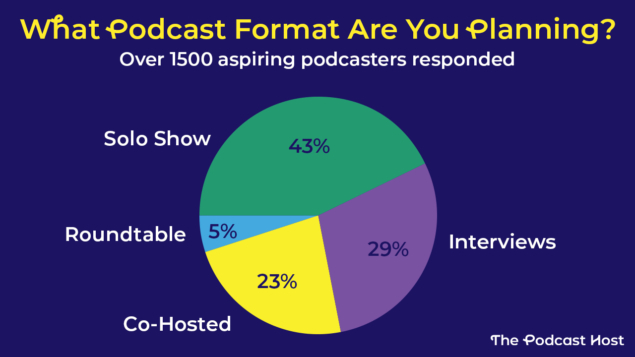
Select a format that complements your content and suits your preferences. Common podcast formats include solo shows, roundtable, interview podcasts, co-hosted podcasts, scripted non-fiction, news recaps, educational podcasts, and scripted fiction.
3. Create a guest list
Before you start scheduling interviews, you need to have a clear idea of who you want on your podcast. Create a list of potential guests who align with your podcast's theme and would be interesting to your audience. You can find guests through social media, referrals, or matching platforms like PodMatch.
4. Estimate podcast length, posting day and frequency
Research by The Podcast Host suggests that the ideal length for a podcast episode is around 22 minutes. This aligns with attention spans and is comparable to TED Talks, which limit presentations to 18 minutes to keep the audience engaged.
Regarding the best day to post your podcast, Tuesday seems to be the most favorable. Many top podcasts release new episodes on Tuesday, coinciding with the day new music is introduced on the iTunes store. As for frequency, weekly releases are the most common among the top podcasts.
5. Set up podcast recording equipment
Before you begin recording, it's essential to ensure your equipment is in top-notch condition. Here are some tips to keep in mind:
- Position your podcast microphone correctly, approximately 2-4 inches away and angled at about 45 degrees to your face.
- Create an appealing video frame if you're recording video, with a clean and unobtrusive background.
- Ensure your batteries are charged or use plug-in equipment to prevent any interruptions.
- Always wear headphones to monitor your audio quality.
- Record in a quiet environment or set up a DIY home studio if recording at home.
- Speak confidently and clearly, avoiding rushed or mumbled speech.
- Consider using a live soundboard for background music, intros, outros, and sound effects. (Just like a radio show or live broadcast, a soundboard enables you to include live sound effects while recording or streaming.)
6. Choose your podcast software
After recording your podcast, it's time to edit and optimize it. Consider these software options:
- Remote recording software: For remote interviews, options like Riverside.fm, SquadCast, and Zoom are available, with varying sound quality and features.
- Editing software: Tools like GarageBand (Mac and iOS), Audacity (Mac, Windows, and Linux), Descript, and Hindenburg Pro (Mac and Windows) offer different features and learning curves. Select one that suits your needs and budget.
- Hosting software: Once your podcast episode is ready, you can upload it to hosting platforms like Libsyn, Soundcloud, Anchor.fm, or Transistor.fm. These platforms create an RSS feed for your podcast, which you can then submit to major podcast directories like Apple Podcasts and Spotify.
7. Record your first episode
Preparing for your first episode is crucial. Follow these steps:
- Write a podcast outline: Create a script or outline to ensure a smooth flow of your content, avoiding unnecessary rambling.
- Pick a suitable recording location: Find a quiet, well-furnished room to minimize background noise.
- Set up your recording equipment: Connect your podcast microphone to your computer or recording device and configure your audio settings.
- Use proper microphone technique: Position your mouth 2" to 4" away from the podcast microphone for clean sound. Adjust the angle if needed to minimize plosives and sibilance.
- Record a test track: Experiment with different microphone positions to find the best audio quality.
8. Edit your podcast
Podcast editing is essential for creating a polished and professional show. Follow these editing guidelines:
- Create a narrative to remove unwanted parts, pauses, and mistakes.
- Hook your audience with a captivating introduction and provide value in your outro.
- Enhance your show by adding intros, outros, subtitles or captions, and background music.
- Prioritize content editing, addressing distractions in subsequent passes.
- Use fade effects to smoothen transitions and eliminate unwanted noises.
- Compile a list of audio distractions to address during your second editing pass.
- Add branding elements like your logo and a consistent visual style.
9. Create podcast artwork
Your podcast's logo and cover art should represent your brand and resonate with your target audience. Ensure that your artwork meets the image requirements of popular podcast directories. Follow these tips:
- Design for various sizes and platforms.
- Use minimal words and fonts.
- Avoid cliché podcast imagery.
- Maintain consistent branding.
You can use Canva to create eye-catching podcast artwork.
10. Publish your podcast
After creating your podcast episodes, it's time to publish them on various listening platforms. Here's how to do it:
- Choose a podcast hosting platform that aligns with your needs and offers sufficient storage.
- Create a podcast description that effectively communicates your show's content and value.
- Generate an RSS podcast feed and submit it to the podcast directories of your choice.
- Once approved, new episodes will be automatically published on your selected directories.
Invest in the Right Podcasting Equipment
While platforms like Anchor.fm and Podcastle allow you to record using your phone and a basic microphone, investing in better equipment can significantly improve your podcast's production value.
Consider the Minimum Viable Product (MVP) approach. Start with the essentials, and then upgrade as needed. Your most crucial investment is a microphone. Consider the following factors when selecting a podcast microphone:
- Dynamic or condenser: Dynamic microphones are ideal for podcasting due to their low sensitivity and background noise reduction.
- XLR or USB: USB microphones are affordable and plug directly into your computer. They are practical and provide great sound quality for most podcasters.
You can also invest in a headphone headset, which is a practical choice if you plan to have co-hosts or guests on your podcast.
Sample Podcast Outline to Start a Podcast
Here's a sample podcast episode outline to consider:
- Show introduction (who you are and what you'll discuss): 30-60 seconds
- Intro music (to optimize for your brand): 30-60 seconds
- Topic 1: 3 minutes
- Topic 2: 3 minutes
- Interlude (music or break): 30 seconds
- Topic 3: 3 minutes
- Topic 4: 3 minutes
- Closing remarks (thanking the audience, guests, and introducing the next episode): 2 minutes
- Closing music (similar to the intro music for consistency): 30-60 seconds
Promote and Monetize Your Podcast
You can utilize various tactics to generate more downloads, including:
- Optimize your podcast for search engines (SEO) to enhance discoverability.
- Share short, shareable snippets on social media platforms to engage your audience.
- Consider creating a podcast website to expand your online presence.
- Explore promotion services or networks to boost your podcast's reach.
While monetization is a long-term goal, it's crucial to start planning for it early in your podcasting journey:
1. Sponsored ads
Sponsored advertisements are a common way to monetize your podcast. Companies pay podcasters to read brief scripts promoting their products or services. While this can be a lucrative option, it often requires substantial listenership and detailed demographic data. Brands want to ensure that your podcast aligns with their target audience, so they evaluate your number of listens or downloads and audience demographics.
2. Affiliate codes or links
Affiliate marketing is an extension of sponsored ads. Brands you advertise for may provide exclusive discount codes for your listeners, or you can use affiliate links. With discount codes, you earn a small commission each time a listener uses the code at checkout. Promoting affiliate links can also generate commissions when someone clicks the link and makes a purchase. Joining popular affiliate networks like Amazon Associates or Skillshare can expand your earning potential.
3. Promoting your services or products
Leverage your podcast to promote your existing products or services. Discussing what you offer and how it benefits your audience can educate listeners and drive them toward making a purchase. Your podcast serves as a valuable platform to showcase your expertise and build trust with your audience.
4. Consulting or coaching
Your podcast can establish you as a subject matter expert, making your industry knowledge in demand. Offer consulting or coaching services to listeners who want personalized guidance and expertise beyond the free content on your podcast.
5. Accepting donations or tips
Podcast production requires time and effort. To offset the costs and support your work, you can ask your listeners for donations or tips. Platforms like Venmo, Patreon, or GoFundMe provide convenient ways to collect donations. Be transparent about how the funds will be used, such as investing in better equipment or expanding your production team.
6. Gated content or memberships
While most podcast episodes are free, you can create exclusive content behind a paywall. Listeners must pay a one-time fee or subscribe to a premium membership to access this additional content. Platforms like Buy Me a Coffee are popular choices for hosting subscriber-exclusive content.
7. Advertising networks
Joining a podcast advertising network can connect you with brands and advertisers. These networks often function as intermediaries, securing advertising opportunities you might not access independently. Some networks even pitch to advertisers on your behalf. Notable podcast advertising networks include AdvertiseCast, PodcastOne, and Megaphone. Keep in mind that certain networks may have specific requirements, such as a minimum subscriber count.
8. Selling merchandise
If your podcast has a distinct brand and a loyal following, consider selling branded merchandise. Items like embroidered clothing, handmade accessories, or other products related to your podcast's themes can generate substantial income. For instance, if your podcast focuses on organization, selling planners with your logo or podcast-related phrases can be a lucrative venture.
Repurpose Your Podcast With quso.ai (previously vidyo.ai)
Achieving financial stability while sharing your passion and expertise with the world can be made possible by repurposing your podcast with quso.ai (previously vidyo.ai).
Consistently repurposing old video content can help establish you as an authority in your niche. People tend to trust experts, and this trust can translate into more significant financial opportunities, such as speaking engagements, consulting, or partnerships.
Repurposing your podcast with quso.ai (previously vidyo.ai) can save you time and effort while maximizing your social presence.
To use quso.ai (previously vidyo.ai), start by importing your video, either by uploading it or pasting a YouTube URL after creating an account. Set preferences for aspect ratio, and then select at least three recommended templates for your clip in the second step. The AI-powered platform analyzes your video and creates optimized short clips for your chosen platform. You can instantly download them or schedule them for social media in one click.
That’s it. You have created some of the best share-worthy and impressive clips from your existing content.
Takeaway
Whether you're sharing knowledge, telling stories, or discussing your passion, podcasting is a dynamic and accessible medium for reaching your audience. So, don't wait any longer contemplating how to start a podcast for free – jump into the world of podcasting with the help of our guide and don’t forget to repurpose podcasts using quso.ai (previously vidyo.ai) to expand your revenue streams.
Frequently Asked Questions
1. Can I start a podcast for free?
You can start a podcast for free by using basic equipment and free hosting platforms like Zoom.
2. How to start a podcast with little to no money?
The cost to start a podcast can vary widely, but it can be as low as $500 for essential equipment and hosting.
3. Do you need a license to start and publish a podcast?
You don't typically need a license to start and publish a podcast, but copyright and content rights should be respected.
4. How to decide on podcast equipment before starting a podcast?
To decide on podcast equipment, research podcast microphones and consider your budget and recording environment.
5. Who can start a podcast?
Anyone with a passion and topic can start a podcast, even with no audience, and learn how to make a podcast.
Turn this into 30 clips.
Drop your long video into quso and let IntelliClips do the editing.
Start clipping free